About the College
Acknowledgement of Country
PACFA College of Creative and Experiential Therapies (CCET) acknowledges the Traditional Custodians of Country of the places that we call home and in which we work. We honour the long history of caring, cultural, creative and healing practices that have taken place on this continent for millennia and continue today. We extend our respect to elders past and present, and to all First Nations People.
CCET Members
CCET members identify as Creative / Experiential Therapists and demonstrate values, knowledge, attitudes, capabilities (skills and abilities) to safely, effectively and consistently use creative and experiential approaches in our therapeutic work with people. All members of CCET meet PACFA’s registration standards and continue to engage in ongoing professional development specific to the facilitation of creative and experiential therapy.
Click here to see the CCET Membership Statement and Criteria
Creative Process and Experiential Ways of Knowing
Creative processes and experiential ways of knowing are central to our ways of working. Our use of more than verbal methods is what defines us. "Creative processes" are collaborative, exploratory, expressive, invitational, meaning-making, multi-modal, and relational processes that engage people in more than verbal exchanges. These processes utilise a range of practices including, but not limited to, drama, drawing, embodiment, engaging with nature, the environment and/or animals, movement, mindfulness, music, painting, play, sandplay, sculpting, and writing.
"Experiential ways of knowing" are the ways in which people come to know themselves and the world. Experiential knowing is characterised by the knowing that occurs through doing, being immersed in the present moment and multi-sensory experiencing in the here and now. Experiential knowing prioritises lived and living subjective experiences as our primary sources for understanding ourselves and our relationships in and with the world.
The PACFA Council voted unanimously in favour of creating the College of Creative and Experiential Therapies (CCET) in May 2022. CCET is convened by Dr Carla van Laar.
Creative and experiential therapists are professionals who specialise in the use of ‘more than verbal’ approaches in therapy. Creative and experiential approaches can include the arts, such as visual, music, dance/movement, creative writing and drama, as well as play, embodied/somatic, nature-based and animal-assisted methods. While there is great diversity in the ways that creative and experiential therapists practice, they are unified by the use of ‘more than verbal’ methods in therapy.
CCET PD - Save the Date Calendar
| Month 2026 |
Date |
Event |
Presenter |
| February |
19 |
The use of the arts in and as therapy for children and young people:
drawing on two clinical and research examples |
Vicky Karkou |
| March |
19 |
Re-imagining the therapeutic arts in the early years |
Emma van Daal |
| April |
16 |
A Window into Creative Wellbeing Hygiene for Practitioners |
Duan Stevenson |
| May |
21 |
You’re Already Using Hypnosis: Wanna Know How? |
Leon Cowen |
| June |
18 |
Art Psychotherapy in the context of Britain’s Social Prescribing scheme |
Jessica Braum |
| July |
16 |
Recreating Songlines from Trauma Trails: The Ceremony of Indigenous Facilitation Practice - Country Holds the Space |
Carlie Atkinson |
| August |
20 |
Exploring Emotions Through Art: Learning from Master Artworks and Creative Practice |
Joanne Chateau |
| September |
17 |
The opportunities and challenges of setting up and working within a multidisciplinary creative arts therapy group practice; Reflections from Newcastle Music and Art Therapy |
Katishe Grudnoff
and
Susan Ashley-Brown |
| October |
15 |
Sexuality and Gender perspectives in Creative and Experiential Therapies |
Natasha Brockwell |
| November |
19 |
Culturally Responsive Practice in creative & experiential therapies |
Vineeta Giri |
CCET Past PDs
Recordings are accessible for members in the PACFA PD Library.
Join CCET
Membership of the College of Creative and Experiential Therapies (CCET) is available to eligible Certified Practicing and Registered Clinical registrants.
Please note, effective 1st July 2024, an application fee is payable for CCET membership applications. For current application fee costs, please refer to the Schedule of Fees.
Please review the application resources and follow the application steps to submit your application.
- Complete Appendix 1 (Qualifications & Training Table), Appendix 2 (Capabilities Matrix) and the Checklist and Declaration.
- Collate and label supporting documentation.
- Email application form and supporting documents to [email protected].
Leadership Group
CCET Leadership Group formed
The CCET Leadership Group currently consists of 8 PACFA members from the creative and experiential therapy disciplines. The Leadership Group has developed CCET's membership criteria, which can be found here.
Contact the CCET Leadership Group: [email protected]
Meet CCET’s Leadership Group
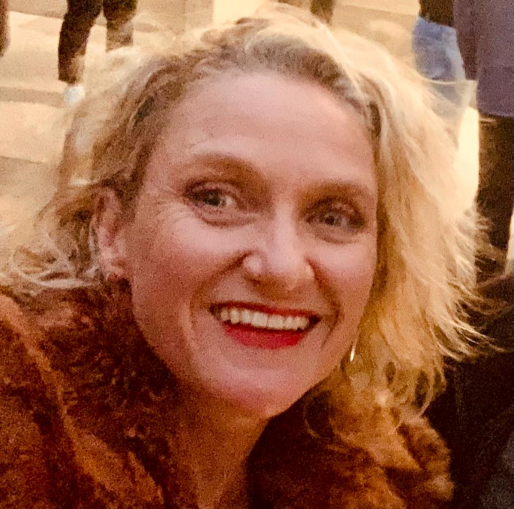
Convenor – Dr Carla van Laar
Dr Carla van Laar is a Clinical PACFA member and accredited supervisor. She is an Artist and Creative Arts Therapist based in Boon Wurrung Country, Inverloch, Victoria. She brings decades of experience working with people and the arts for well-being in community, justice, health, education and private practice contexts.
Experiential ways of knowing underpin Carla’s therapeutic work, including embodied attunement and arts-based responding, informed by trauma-centred, strengths-based, existential and narrative approaches. She loves to share creative practices as ways of knowing and being.
Carla’s book Bereaved Mother’s Heart (2007) broke social taboos about maternal grief. Seeing her Stories (2020) presents Carla’s research into making women’s stories visible through art. Her most recent publication is “Art Therapy First Aid: Growing Capacity with Art Therapists in Communities Affected by Australian Bushfires” (in Scarce, J. (Ed.) 2022).
As an educator in the field of Creative Art Therapy since 2001, Carla received an Artist Fellowship at RMIT’s creative research lab, “Creative Agency,” in 2018. She is a lead campaigner in the ACTivate Arts Therapy collective and Founding Director of the Creative Mental Health Forum. Carla insists on being part of a creative revolution in which art re-embodies lived experience, brings us to our senses, makes us aware of the interconnectedness of all life, and is an agent of social change.
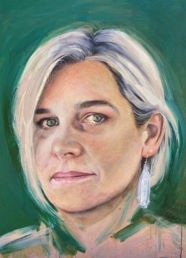
Deputy Convenor - Tara Harriden
Tara belongs to Wiradjuri Mob from down Wagga Wagga way and also has some Irish and Scottish ancestors. She currently runs Whole Hearts and Minds Services – a private Arts Therapy practice in Brisbane that also offers a range of disability support services including counselling, psychosocial recovery coaching, and support coordination. Tara also offers clinical supervision (traditional and therapeutic arts-based) to health professionals, teachers, disability support workers, and others in the human services sectors.
Tara is the Pastoral Care representative on the National Human Research Ethics Committee at the Australian Institute of Aboriginal and Torres Strait Islander Studies (AIATSIS). She is also undertaking her own research investigating the benefits of cultural safety-centred, arts-based clinical supervision for mental health workers.
Sandy Buchanan
Sandy finds her abilities lay in relationship and holding a meaningful, safe space for people in both the group context and also one-on-one connection. This has informed the direction her career has taken through the fashion industry into training and education and small business management, with experience gained coordinating and facilitating group activities, community events, TAFE courses, writing, and managing compliant tertiary programs to the Victorian Registration and Qualifications Framework (VRQA).
Over the last ten years, Sandy has turned her attention to the therapeutic benefits of creative processes as an Expressive Arts Therapist, Counsellor, and Mentor. Her therapeutic workshops, group programs, and one-on-one support are all tailored to suit the client, their mental health needs, and well-being.
Sandy’s areas of special interest are: women experiencing cancer and their families; autism and partners of autistic adults; Melbourne’s homeless community; palliative care and end of life; our elderly, living in aged care & in the community. This includes dementia-specific programs, behavioural and recreational therapies, and carer support. All the while, Sandy’s creative energies continue to flourish with a personal arts practice exploring a wide variety of visual arts and activities.
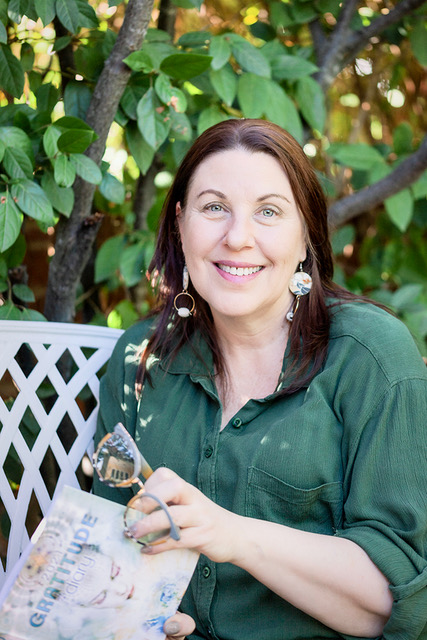
Janeen Cameron
Janeen is a Sensorimotor Psychotherapist (Trauma L2) and Art Psychotherapist and Counsellor in private practice in Perth. Originally a registered nurse (mental health) and occupational health and rehabilitation consultant in industrial and health arenas, Janeen brings transferrable skills into her full-time private practice in Perth. She predominantly works with clients experiencing complex trauma and bereavement histories. In the last two years, Janeen has been fortunate to be the English-speaking assistant in South Korea for Sensorimotor Psychotherapy Level 1 Trauma trainees (the work of Pat Ogden and facilitated by Kekuni Minton).
Janeen’s other activities include: facilitator for the Master of Counselling (accelerated) at Edith Cowan University; lecturer at the Ikon Institute Australia (12 years); facilitation of Domestic Family Violence Indigenous Stream Workshops and Violence in the Workplace courses for LifelineWA; NDIS Registered Provider working with complex NDIA clients; clinical supervision for integrated creative arts therapists and professionals who use trauma-informed & creativity models in their practice; EAP programs; life coaching and health practice business mentoring for individuals, teams, and corporate; online courses & workshops.
Having worked therapeutically via e-therapy for 12 years, Janeen is passionate about the opportunities this provides for communities and professionals alike. She uses an integrated approach - behaviouralist, humanist, and predominantly psychodynamic, with a special interest in active imagination, dreamwork, hypnotherapy, and NLP.
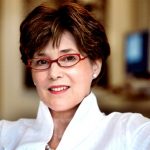
Diana Sands
Diana is a postvention and prevention clinician, researcher, and educator. Diana provides counselling following sudden, violent, and traumatic death, particularly for those who have lost a loved one through suicide. Her counselling and group programs draw on a range of theoretical perspectives including narrative and family systems theory and incorporate expressive artwork. She is a Clinical member of PACFA, Deputy Chair of Postvention Australia, and Honorary Advisor to the Wings of Hope Charity.
Diana has served on the NSW Executive Committee, National Association Loss and Grief, and as the NSW representative with Suicide Prevention Australia. Diana is a Member of the International Work Group Death, Dying and Bereavement, and a recipient of the Vice Chancellor Post Graduate Research Grant, Australian Government Research Scholarship. Diana has presented seminars and workshops in Australia and internationally drawing on her clinical experience and research. She has published numerous peer-reviewed academic articles and book chapters and is the author of a book and DVD resource Red Chocolate Elephants: For Children Bereaved by Suicide.
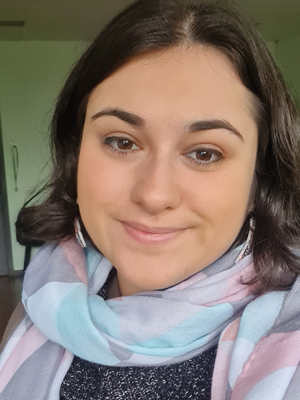
Alana Stewart
Alana Stewart is an Art Therapist and INFTA-Certified Forest Therapy Guide with a Master’s degree in Art Therapy and a career spanning over a decade. Her professional background includes extensive experience in disability, mental health, and youth community support roles.
She is the founder of "Finding Wellbeing Art Therapy & Counselling," an NDIS Registered Provider since 2019, and owner of the space "Yellow Gum Art Therapy Studio" in Mill Park, VIC. Alana offers creative and nature-based therapeutic approaches to foster emotional well-being, personal growth, and healing. She also provides supervision to Art Therapists to support their professional development.
Informed by her lived experience of neurodivergence and a lifelong connection to art and nature, Alana creates inclusive, safe spaces that honour each person’s unique experiences. A certified Therapy Dog Handler, she integrates the calming presence of her therapy dog, Evie, into sessions.
Alana is passionate about advancing creative and experiential therapies to empower individuals and communities, helping them navigate challenges and thrive.
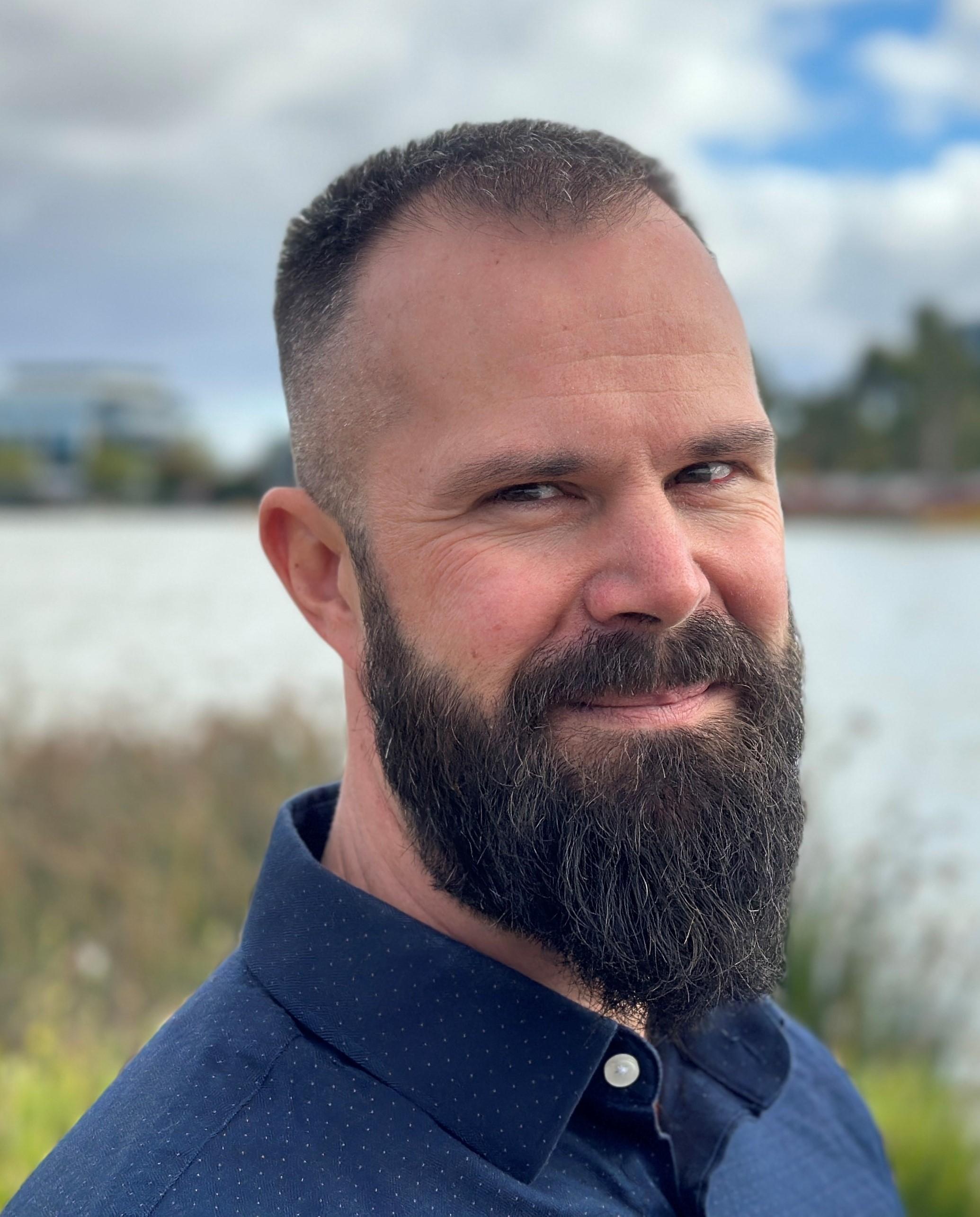
Cody Fisher
Cody is an Arts Therapist, Counsellor, and Ecotherapist with a passion for fostering creativity, connection, and inclusion. With a background spanning disability, mental health, palliative care, and community settings, Cody supports people of all ages—including those navigating life transitions, grief, identity, and supporting LGBTQIA+ wellbeing.
Based on unceded Wurundjeri Country in Melbourne’s north, Cody offers one-to-one and group-based services through his private practice, Cody Fisher Therapies. His work integrates creative arts, ecotherapy, mindfulness, and strengths-based approaches, through a neuro-affirming lens that celebrates diversity and honours each person’s unique story and ways of expressing themselves.
As a queer, neurodivergent practitioner with lived experience, Cody is deeply committed to creating safe, inclusive, and affirming spaces. His practice is grounded in the values of authenticity, agency, courage, creativity, and connection, and shaped by a deep respect for the more-than-human world.
Cody is excited to contribute to the CCET Leadership Group and to support a strong, connected, and diverse creative therapies community.
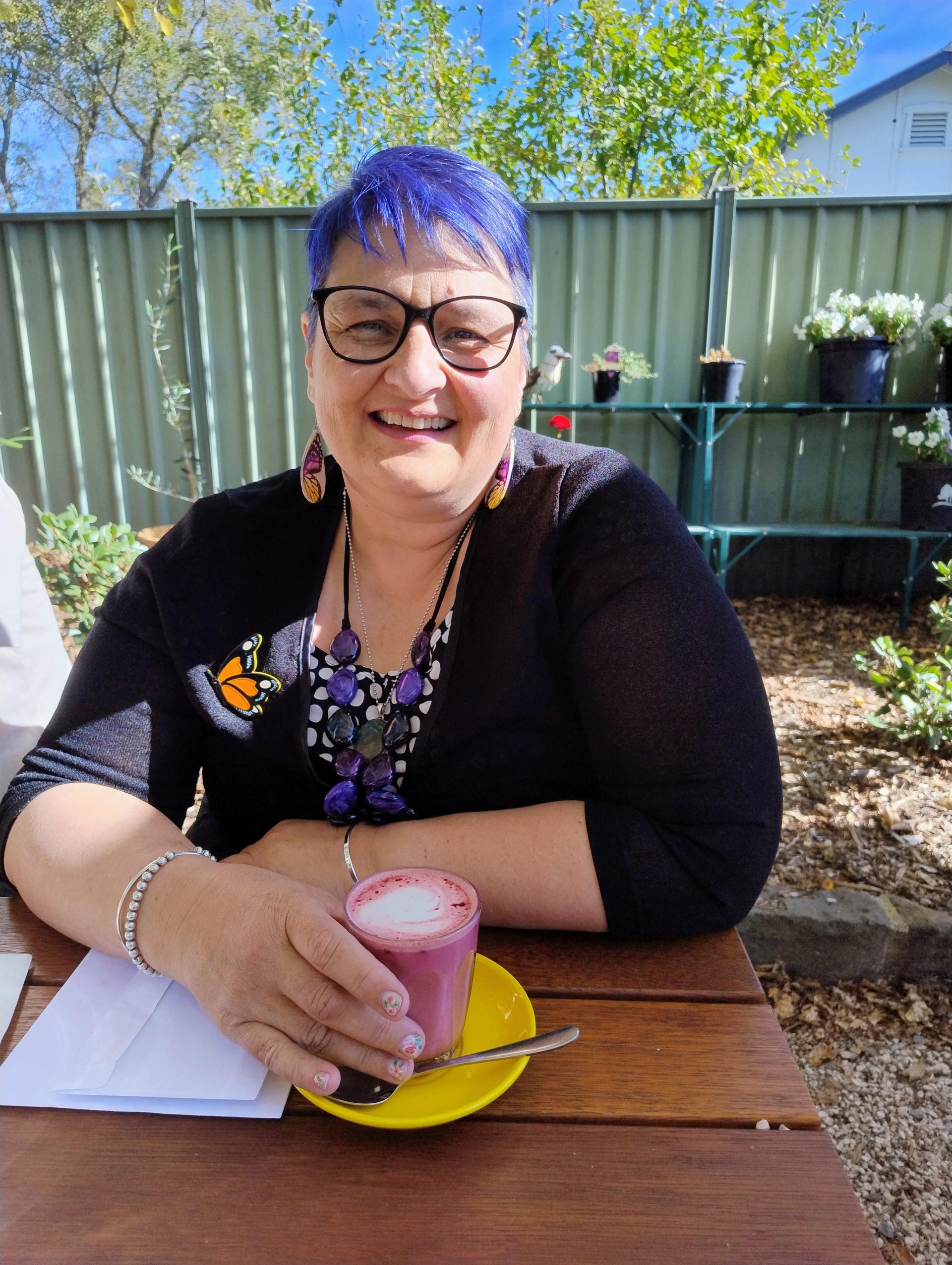
Fi Hocking
BA Arts Psychotherapy | GradDip Therapeutic Arts Practice | Intuitive Intelligence Method Practitioner & Trainer
Fi Hocking is a creative arts psychotherapist, intuitive intelligence trainer, and founder of Creative Butterfly Expressive Arts Therapy in Ballarat, Victoria. She brings a compassionate, down-to-earth approach to her work, blending creativity, mindfulness, and neuroscience to support emotional wellbeing, authentic expression, and self-discovery.
Fi offers individual and group expressive arts therapy sessions that create a supportive space for people to explore their stories and reconnect with their inner wisdom through creative process. She also works as a Community Arts Tutor with Ballarat Community Health and a contracted Art Therapist at the Ballarat Regional Integrated Cancer Centre (BRICC) Wellness Services within Grampians Health.
Her work is guided by a belief that creativity has the power to heal, connect, and transform - helping people to feel seen, supported, and more at home within themselves.
Contact the College of Creative and Experiential Therapies: [email protected]