About the College
The College of Psychotherapy is a national College, dedicated to supporting psychotherapists and advancing the practice of psychotherapy in Australia.
A Leadership Group has been established to lead the College and to plan activities for College members. The College has also established its Terms of Reference and About Psychotherapy Definition
Activities may include:
- Providing continuing professional development
- Providing opportunities for networking and peer support
- Building a vibrant community of practitioners who are trained in psychotherapy
- Providing resources to the community about psychotherapy modalities and accessing psychotherapy services
- Developing and promoting practice standards and guidelines
- Sponsoring and fostering psychotherapy research
- Providing opportunities for psychotherapists in regional and rural areas to participate
Information on College-related updates, activities, networking opportunities, Community CPD and more is included in PACFA's e-news.
Why should I join PACFA’s College of Psychotherapy?
Psychotherapists have always played a leading role in PACFA and PACFA is committed to the psychotherapy workforce. Given the difficulty of advocating for a varied workforce, the establishment of certification for psychotherapists through the RCP title is a key commitment by PACFA. As the RCP title becomes increasingly recognised, it will be easier for psychotherapists to gain greater remuneration and respect. Joining the college and using the RCP title is a key activity that individual psychotherapists can undertake to lead the profession and support PACFA’s work in this area. This is a long-term strategic approach to ensure that psychotherapy in Australia is sustainable and highly valued.
College-Recognised Psychotherapy Modalities
The College acknowledges that psychotherapy training programs vary over time and place and are continually evolving. To support College applicants, the College has developed a list of College of Psychotherapy Recognised Psychotherapy Modalities. The modalities listed in this resource are considered psychotherapy modalities by the College of Psychotherapy, as long as they are core psychotherapy trainings and have psychotherapeutic principles at their foundation.
This is a guideline only and will be updated as individual trainings continue to change. It is the applicant's responsibility to ensure that they accrue the training, supervision and personal therapy requirements that meets the College of Psychotherapy Training Standards. For example, if your course only recommends 40 personal psychotherapy hours, it is your responsibility to make up the remaining 110 hours.
What happens if I do not renew my membership?
PACFA is a key advisor to the National Standards of Counselling and Psychotherapy currently in development by the Federal Government. As part of this project, PACFA is advocating for College of Psychotherapy members to be recognised as Registered Clinical Psychotherapists. Please note that not renewing your College of Psychotherapy membership may prevent you from rejoining as a College of Psychotherapy member in the future, as those who have previously been historically grandfathered into the College may not meet the current requirements of 450 hours of modality specific training with supporting documentation.
To contact the College of Psychotherapy Leadership Group, email [email protected]
Why Join the College of Psychotherapy?
Psychotherapists have always played a leading role within PACFA, and PACFA remains deeply committed to supporting the psychotherapy workforce. Given the challenges of advocating for a diverse and varied workforce, PACFA has established the Registered Clinical Psychotherapist (RCP) certification. This title serves as a cornerstone of PACFA's commitment to promoting psychotherapists and ensuring their work is valued.
PACFA’s College of Psychotherapy provides psychotherapists in Australia with a clear path to professional recognition through the Registered Clinical Psychotherapist (RCP) certification. This certification is vital for ensuring that trained and experienced psychotherapists are distinguished from those without appropriate qualifications. The lack of a defined framework has created obstacles in terms of recognition, employment opportunities, and appropriate remuneration for skilled psychotherapists.
The College of Psychotherapy is actively advocating for the profession, envisioning a future where:
- Greater employment opportunities are specifically available for Registered Clinical Psychotherapists (RCPs).
- Additional rebates are offered by Private Health Insurers to RCPs, reflecting the value of psychotherapy services.
- Government funding is made available for psychotherapy services through programs like NDIS, Medicare, and Victim Services.
- Tailored insurance policies are developed to cover the specific scope of psychotherapy practice.
- Increased opportunities for RCPs to engage with other clinicians and influence policy and practice.
- Greater demand from the community for psychotherapy services, particularly in private practice for clients who benefit from in-depth psychotherapeutic approaches.
- Partnerships with both Australian and international organisations are formed to advocate for and provide training to psychotherapists.
- Conferences, communities of practice, and mentor networks are established to foster growth and connection within the psychotherapy field.
- Greater access to high-quality continuing professional development (CPD) and advanced training is provided to further elevate psychotherapy practice.
While these goals represent a promising future, they will take time to achieve. Building this future begins with increasing the number of certified Registered Clinical Psychotherapists, which in turn will demonstrate the strength and credibility of the profession to stakeholders. By undertaking further training and joining the College, you contribute to the advancement of the psychotherapy profession in Australia. It is up to committed members, advocates, and volunteers to help realise this vision.
A Deeper Purpose for Joining the College of Psychotherapy
Beyond the practical aspects of joining the College, there is a deeper purpose to becoming a Registered Clinical Psychotherapist.
Joining the College isn’t just about adding up hours or gaining professional recognition—it’s about immersing yourself in the full breadth of psychotherapy. It’s about enriching your practice by engaging in training that sharpens your skills, deepens your understanding of the human psyche, and encourages personal and professional transformation. This is the soul of the work, and it calls upon practitioners to constantly reflect: How can I serve my clients better? How can I deepen my therapeutic work? How can I grow to offer greater healing to others?
Through training that emphasises embodiment, the nervous system, verbal and non-verbal aspects of psychotherapy, the College supports practitioners in evolving beyond the academic. We foster an environment of lifelong learning and connection, where our community is united by a shared commitment to the transformative power of psychotherapy. Together, we’re shaping a profession that not only heals but also enriches lives.
How do I join?
You can join the College as a Clinical member, which includes use of the Registered Clinical Psychotherapist (RCP) title.
Please note Student, Affiliate members and Certified Practising Members are not eligible to join the College of Psychotherapy. For more information, please read the update for affiliate members.
The College Leadership Group has been working on improving the membership application pathway and supporting documentation. To support the implementation of the new pathway, the College has produced new resources to support applicants in applying via the updated pathway and the pathway is now open for applications.
New resources include:
- Application Journey
- FAQ's
- Eligibility Criteria Checklist
- Updated application form
The College of Psychotherapy Training Standards are available for viewing here.
Our specialist Colleges offer advanced training opportunities to registrants who meet the Colleges’ entry requirements. Annual membership of the College of Psychotherapy is available to eligible registrants (application and membership fees will apply).
Members of PACFA Member Associations who are listed on the PACFA Register may also join the College of Psychotherapy. There is an annual fee payable as detailed in the Schedule of Fees.
College of Psychotherapy Members also receive and are encouraged to use an exclusive digital badge denoting their status as a Registered Clinical Psychotherapist.
Check Your Eligibility
Becoming a Registered Clinical Psychotherapist requires a demanding but rewarding process, beginning with meeting PACFA’s registration requirements, and then followed by over 450 hours of Advanced Specialist Training in modality-specific psychotherapy. This comprehensive training incorporates extensive psychotherapy theory, practical clinical skills, clinical supervision, experiential learning, human development, and human diversity. A solid grounding in current research in psychotherapy and a commitment to rigorous ethical standards are fundamental aspects of this professional training.
Additionally, psychotherapists undergo personal therapy as part of their training to ground and integrate their modality, deepen their emotional capacity and self-awareness, ensuring they are well-prepared to navigate the complexities of psychotherapeutic relationships (including working with transference) and client needs. A Registered Clinical Psychotherapist continues supervision, professional development, and involvement in a community of psychotherapists throughout their professional life.
The College Leadership Group has created an Eligibility Checklist for applicants to review prior to submitting an application. Please refer to this resource, and if you have any questions, please contact [email protected].
Download the Eligibility Criteria Checklist
What training should I do to join the College?
Gestalt Therapy Australia
Relational Gestalt Training - 150-600 hours
More Information
Gestalt Sydney
Specialist Training in Gestalt Therapy and Eco-Psychotherapy - 200-450 hours
More Information
Cairnmillar Institute
Master of Counselling and Psychotherapy - Integrative
More Information
Edith Cowan University
Master of Counselling and Psychotherapy - Psychodynamic
More Information
Life Change Therapies
Advanced Course in Meaning Centred Therapies - Logotherapy - Total volume of learning across the course in 2100 hours, including 700 hours supervised learning and a minimum of 72 hours face to face delivery
More Information
Pathways Psychology Institute
Graduate Diploma of Trauma-Informed Processwork Psychotherapy - Process Oriented
More Information
Psychodrama Australia
Psychodrama Training - Psychodrama - 800 hours
More Information
The Australian Association of Buddhist Counsellors and Psychotherapists
Buddhist Psychotherapy - Buddhist - 288 hours
More Information
The Equine Psychotherapy Institute
Equine-Assisted Psychotherapy - Equine - 160 hours
More Information
Western Sydney University
Master of Psychotherapy and Counselling
More Information
Application Documents
The College’s Leadership Group has been working on improving the College membership application pathway and supporting documentation, and the updated membership application pathway is now open.
Resources to support applicants in applying via the updated pathway are now available:
If you have any questions in regard to the new College of Psychotherapy membership application pathway, please contact [email protected].
Join Now
To apply for membership, please complete the following steps, read and check the boxes to be able to download the application form:
Meet the Leadership Group

Convenor - Ernst Meyer
Ernst Meyer is originally from Bavaria in the south of Germany, and migrated to Australia in 1995. As a contemporary somatic psychotherapist in private practice he is working with adults, couples and teenage children. Ernst joined the leadership group of the PACFA’s Somatic Psychotherapy modality in 2017, and has been an educator in somatic psychotherapy since 2021.
Psychotherapy is a valid and powerful clinical alternative to psychology and psychiatry. When practiced as a non-medical talk therapy it differs significantly from medical and natural-scientific approaches to so-called mental health. As the Convenor of the College of Psychotherapy his aim is to strengthen psychotherapy’s standing both within PACFA as well as in the wider community.

Deputy Convenor - Jodie Gale
Jodie Gale is an Eco-Psycho-Spiritual Registered Clinical Psychotherapist and has been in private practice for over 25 years. She is the founder of The Psychosynthesis Centre, Trauma Warriors, Jodie Gale Soul-Centred Therapy for Women, Opening the Door on Private Practice & Psychotherapy in Australia Facebook groups, and The Soul Sessions with Jodie Gale podcast. Jodie is also a PACFA Accredited Clinical Supervisor, Private Practice Business Coach, Trainer, and Facilitator. She offers regular PACFA low-cost group supervision.
Jodie is passionate about the field of psychotherapy and the deep, personal, and spiritual work required to engage in this profession. During the pandemic, she turned to nature while grappling with an existential crisis and dark night of the soul - an experience that led her to complete a year-long training in eco-psychotherapy, a field that is both emerging and increasingly necessary.
She works tirelessly to promote the benefits of psychotherapy, particularly for those who have experienced trauma and deep suffering. Psychotherapy is both an art and a science, and the deep relational work at its core transforms lives from the inside out.

Lindy Spanger
Lindy Spanger is a Soul-Centred, Registered Clinical Psychotherapist and PACFA-Accredited Supervisor, bringing over two decades of private practice experience to her work. In 2022, she joined the leadership group of the PACFA College of Psychotherapy, contributing her voice and vision to the vital task of representing and advancing the field of psychotherapy in Australia.
Lindy’s clinical orientation is Soul-Centred, grounded in depth psychotherapy and a profound engagement with Soul and Psyche. She has taught a three-year Soul-Centred psychotherapy training program and regularly facilitates transformative workshops that honour the inner life and support authentic self-discovery.
With a wealth of experience in both one-on-one and group settings, Lindy is a deeply attuned supervisor who offers rich, soul-infused support to practitioners. Her approach weaves together clinical insight, spacious presence, and a commitment to depth that helps others work with greater clarity, confidence, and care.
Lindy is currently expanding her work through training in Equine-Assisted Learning and Psychotherapy, deepening her connection to nature-based, embodied therapeutic practices.
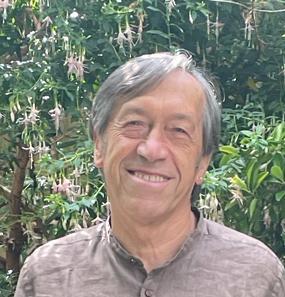
Ermanno Bergami
Ermanno Bergami is a clinical body-psychotherapist with 44 years of experience and an accredited supervisor.
In 1980, he completed his initial psychotherapy training in Bioenergetics in London. Ermanno has worked as a psychotherapist in various countries, including the United Kingdom, the Netherlands, Germany, and Italy.
Twenty-one years ago, he relocated to Australia, where he currently operates a private practice, providing psychotherapy to individuals, couples, and supervising .
In 2015, Ermanno further enhanced his expertise by completing additional training in Functional Analysis, a contemporary psychosomatic psychotherapy approach.
Ermanno’s professional journey has been dedicated to addressing complex traumas and personality disorders, with a particular focus on the intricate relationship between trauma and addiction. Collaborating with other colleagues, he has contributed to the development of a novel approach in Group Supervision, known as “Intervision.” Additionally, Ermanno holds the position of Director in Australia for the Functional Analysis Psychosomatic Psychotherapy Training
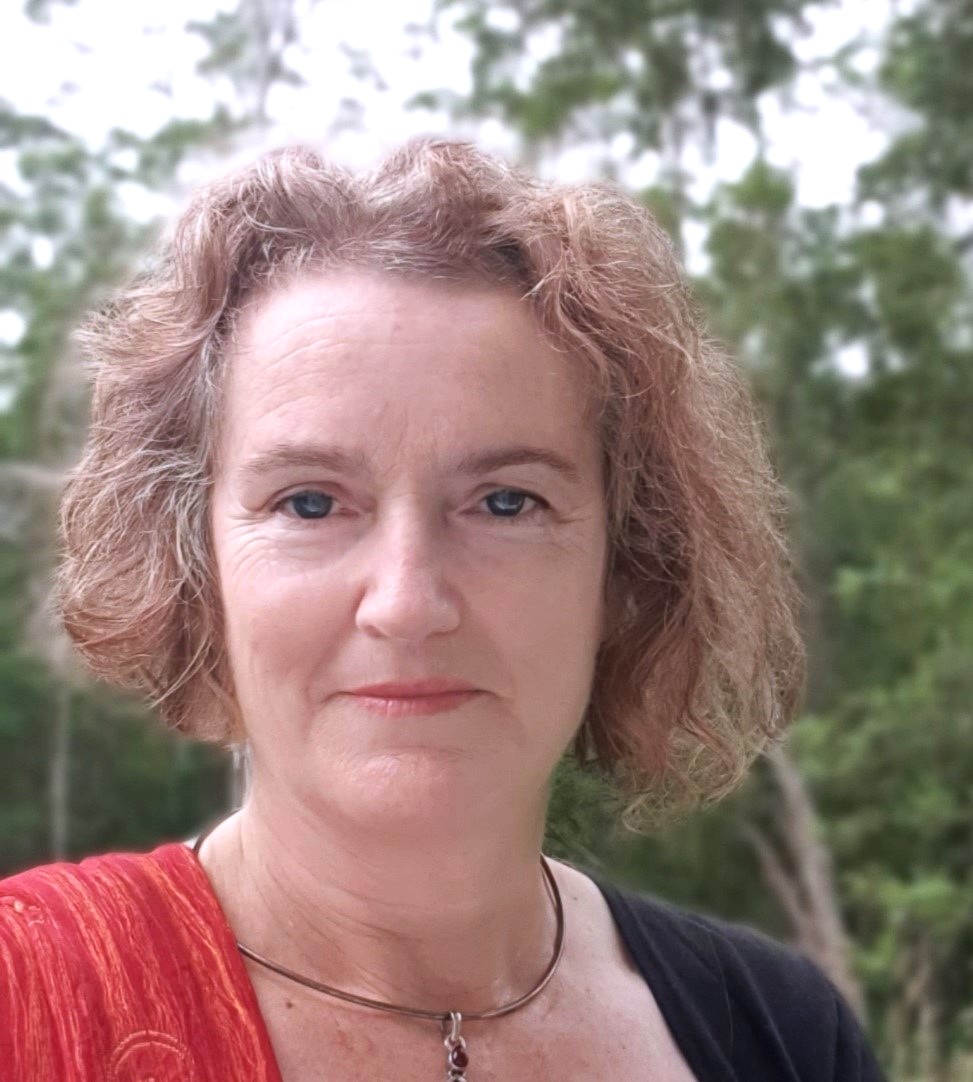
Martha Calhoun
Martha Calhoun is a Transpersonal and Experiential Psychotherapist with 30+years experience in private practice working with adults and children in individual and group settings. She is a trainer in this modality of psychotherapy and an accredited supervisor. Martha has also undertaken study in social sciences and psychology and more recently in forest therapy. She is keen to support the presence of psychotherapy as a profession in Australia and to further understanding of the meaningful and effective contribution psychotherapy can make in the mental health space.

Werner Sattmann-Frese
Werner Sattmann-Frese trained in body-oriented psychotherapy from 1980 until 1984. Since then, he has worked as a psychotherapist, primarily in private practice. Since 1992, he has also supervised psychotherapists and trained students in psychotherapy, psychosomatic medicine, and holistic bodywork.
Werner completed a Master of Science degree in Social Ecology with a major in Critical Perspectives in Psychological Practices (CPPP) in 1998 and a doctoral degree in Social Ecology in 2006 from the University of Western Sydney, where he conducted a research project on the interrelationships between personal, social, and environmental sustainability.
Having started as a casual lecturer at Western University in 2006, Werner quit a Senior Lecturer position at Torrens University in January 2025. He now works as a casual lecturer at Torrens and Notre Dame University and is expanding his private psychotherapy practice.
Contact the College of Psychotherapy: [email protected]